The keto psych study Big Pharma couldn’t bear
The keto psych study Big Pharma couldn’t bear
18 July 2024
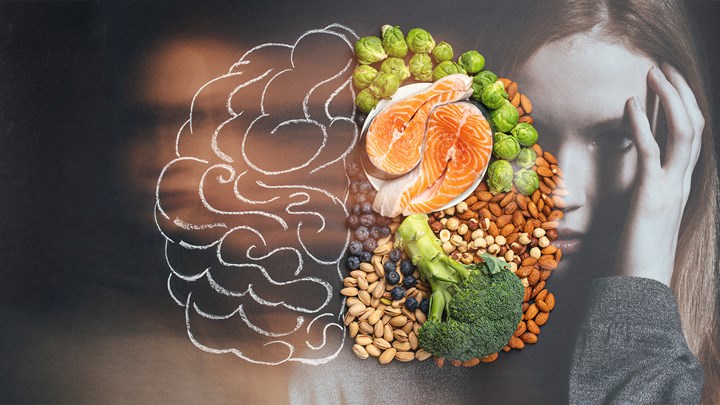
Behind the flannel; why did they really shut down a keto diet study on schizophrenic inpatients in a Baltimore psych hospital?

|
|
||||||||||
New Scientific Research Proves That Traditional Treatments Do Work
London, 28 September
Distributed by PR Newswire on behalf of Royal Pharmaceutical Society of GB
BRITISH PHARMACEUTICAL CONFERENCE, MANCHESTER, England, September 29 /PRNewswire/ —
Research presented to the British Pharmaceutical Conference today, confirms the benefits of commonly used traditional remedies for a range of illnesses, including cancer, offering a scientific justification for their use.
The data, reported to the Conference by researchers from the Department of Pharmacy, King’s College London, shows the real benefits of a range of traditional treatments including: Indian diabetes treatments; Ghanaian wound healing agents; and cancer treatments used in the Far East. The findings will help local people identify which plants to recommend and may lead to potential new compounds for pharmaceutical use.
The Curry tree that helps diabetes
The curry-leaf tree (Murraya koenigii) from India, is one of the traditional Indian plants with reputed benefit in diabetes. Katie Bawden-Tucknott and colleagues have been investigating several of these plants and, they say, the data clearly shows the plant to have potential antidiabetic activity.
The researchers have developed a test for antidiabetic activity based on inhibition of a digestive enzyme (pancreatic alpha-amylase). This enzyme is involved in the breakdown of dietary starch to glucose. A patient with diabetes does not produce enough insulin to cope with rapid rises in blood glucose levels. Slowing the rate of starch breakdown, by blocking alpha-amylase, can lead to a more even trickle of glucose into the bloodstream from the intestine. Professor Peter Houghton, head of the King’s College research team, describes this as “like restricting people coming out of a station gate in the rush hour so that they come out one at a time rather than seven at a time.”
Extracts from the curry-leaf tree showed significant enzyme inhibition. The researchers are now looking to identify the specific active compounds.
Once the active component has been isolated and characterised it should be possible to evaluate whether the agent is likely to have advantages – in terms of efficacy or side effects – over currently marketed antidiabetic drugs that interfere with starch digestion.
Wound healing agent in Ghanaian plant
The wound healing work is a joint project between researchers from Kwame Nkrumah University of Science and Technology, Ghana, and King’s College London. They are investigating the properties of some plants used by the Ashantis, one of the largest ethnic groups in Ghana.
The researchers interviewed traditional healers to identify plants that are used to help wound healing. They then tested the plants to see whether there is scientific justification for this use.
They reported their investigation of Commelina diffusa, also known as climbing dayflower. An extract of the plant was shown to have both antibacterial and antifungal activity.
Professor Houghton commented: “This activity indicates that the plant is useful in helping wounds to heal and stopping them getting infected.”
Far Eastern plants are possible anticancer agents
Plants used in Thai traditional medicine and in Chinese traditional medicine for treatment of cancer do appear to have anticancer activity.
Plants from both countries were studied in research projects at King’s College London. The plant materials were extracted, according to the methods used traditionally. Their in vitro activity in inhibiting growth of cancer cells (a measure of potential therapeutic use) and normal cells (a measure of potential toxicity) was then assessed using a specific test called the sulforhodamine B assay.
For both sets of plants, some promising activity was seen against lung cancer cells. With the Thai plants, the best results were found with Ammannia baccifera, an aquatic weed. Work is now under way isolate and purify the active compounds present in the plant.
The most promising of the Chinese products was the plant Illicium verum (star anise).
Notes to Editors:
BPC 2004 is being held at Manchester International Convention Centre between Monday 27 and Wednesday 29 September. The conference theme this year is ‘Medicines: from cell to society’. The science and technology that underpins the design of today’s medicines is developing fast. At the same time, the demands of patients are increasing and the priorities of the health service are changing. BPC 2004 will examine all of these issues, alongside sessions drawing on the experience of leading edge good practice and the latest in continuing professional development.
|
|
|||||||||

We unpack the growing public-health threat of youth energy drink dependence in the absence of legislative safeguards

Our weekly roundup of the latest natural news from across the globe in one place. This week: Are digital spaces harmful to young people?; Food preservatives & T2D; Gut health & brain health; Changes to US & UK childhood vax schedules; Being creative keeps our brains young; Updates from ANH-USA; Threats to Free Speech; Post-covid related and much more…

Event Upcoming Member events Members’ Briefing and Q&A – January 2026 Date: Wednesday 21st January 2026 Time: 18:00 (6:00 pm) – 19:30 (7:30 pm) GMT

Check out our snapshot of a wild year defending our right to natural health in an ever more complex world.


Comments
your voice counts
There are currently no comments on this post.
Your voice counts
We welcome your comments and are very interested in your point of view, but we ask that you keep them relevant to the article, that they be civil and without commercial links. All comments are moderated prior to being published. We reserve the right to edit or not publish comments that we consider abusive or offensive.
You can also opt-in to receive the ANH Heartbeat newsletter
We collect an email address as there are times that we need to reply privately if there is more information to share than can be done in a reply to a comment. Your email address won’t be shown or added to our mailing list unless they specifically opt in.