Beyond the buzz: How energy drinks and caffeine dependence are rewriting youth behaviour
We unpack the growing public-health threat of youth energy drink dependence in the absence of legislative safeguards
Dame Tessa Jowell’s death at the weekend from brain cancer has resulted in the UK government doubling its funding into research on brain cancer. It was also announced that the “gold standard dye” test (PET scan) would be rolled out nationally to help identify brain cancers sooner. Despite the ongoing investment into research, cancer rates remain stubbornly high, diagnostic tests are limited and can contribute to the development and spread of cancer and patients are offered limited treatment options.
In developed countries, cancer is the second highest cause of death. Current estimates are that 1 in 2 people are now at risk of developing the complex disease during their lifetime. Between 2006 and 2016 global cases of cancer rose 28%.
In the UK alone, it’s estimated the number of people living with cancer will virtually double by 2030. Look at most cancer statistics and they’ll tell you the increase is a result of us living longer, however according to Cancer Research UK the greatest increase in cancer rates since the early 1990’s is in the 0-24 age group.
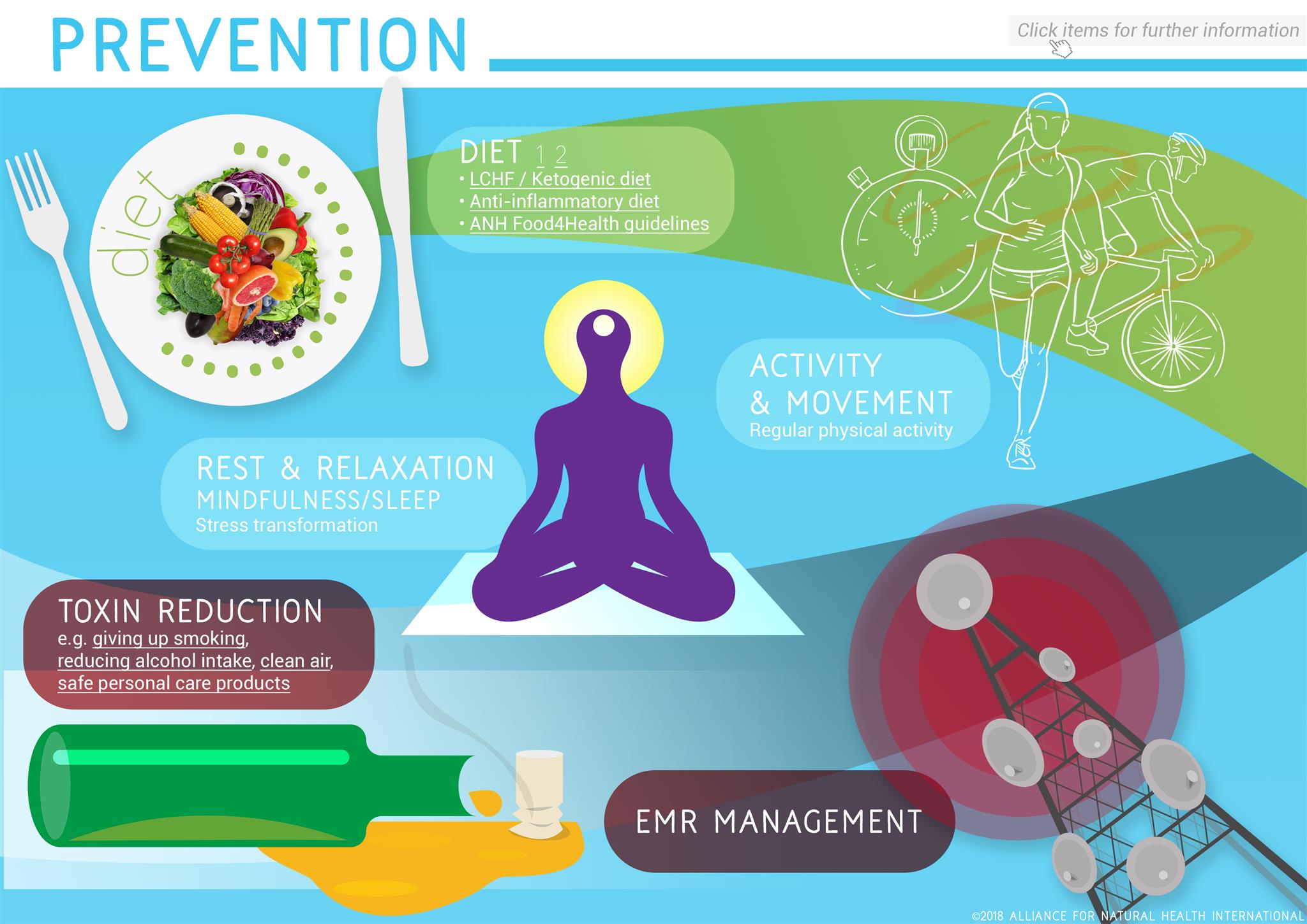
Many cancers are diet and lifestyle related and therefore preventable. Thirteen types are directly linked to obesity with alcohol consumption, smoking and diets high in processed foods and low in fruits and vegetables closely linked. So why isn’t more being done to prevent the development of cancer in the first place rather than most efforts going into the hunt for a drug-based miracle cure?
Receiving a cancer diagnosis is an overwhelming experience for most of us. As you struggle to come to terms with the news you’re often fast-tracked into a system of orthodox treatments over which you have little or no control, or have you? For many, scared by their diagnosis, they trust the path laid out by their oncologist, not knowing there are other, often safer, diagnostic and treatment options open to them. As knowledge grows, many cancer patients are now turning to non-standard treatments seeking a gentler, more natural way to beat their illness. They also recognise that these approaches help strengthen the body in ways that allow it to better handle both the treatments being given as well as supporting the body’s self-healing mechanisms.
Challenging the standard approach to cancer care will often meet with resistance and dismissal with many oncologists unwilling to engage in discussions about different diagnostic tools and therapies outside of the mainstream. Even the World Health Organization has recommended complementary medicines be integrated into national health systems, but we’re a long way from that happening yet in the UK and many other countries. Among the most progressive of integrative approaches is Ayurveda. These can be widely interpreted but in our view they should share at least the following 5 features. Integrative approaches to cancer care should:
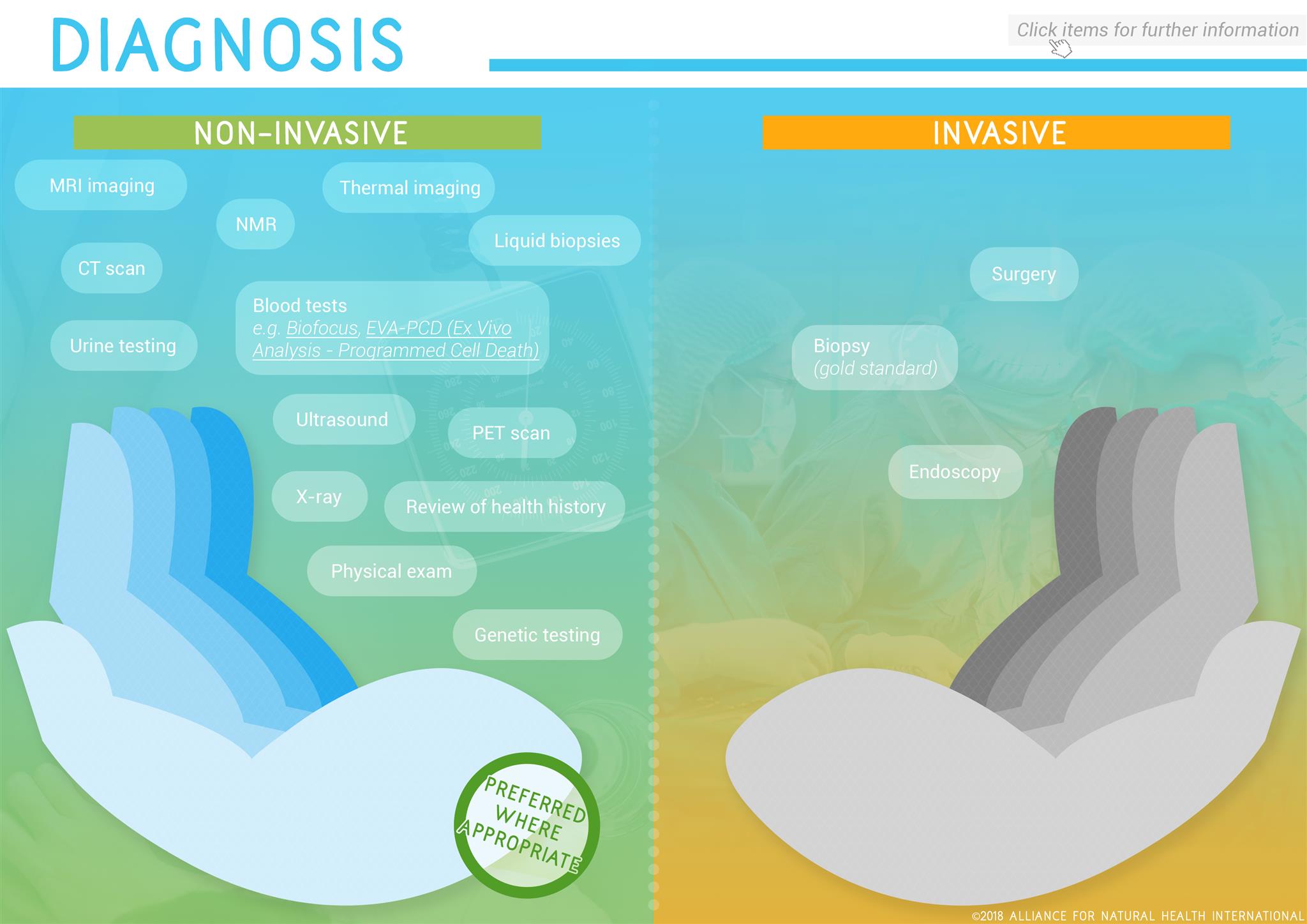
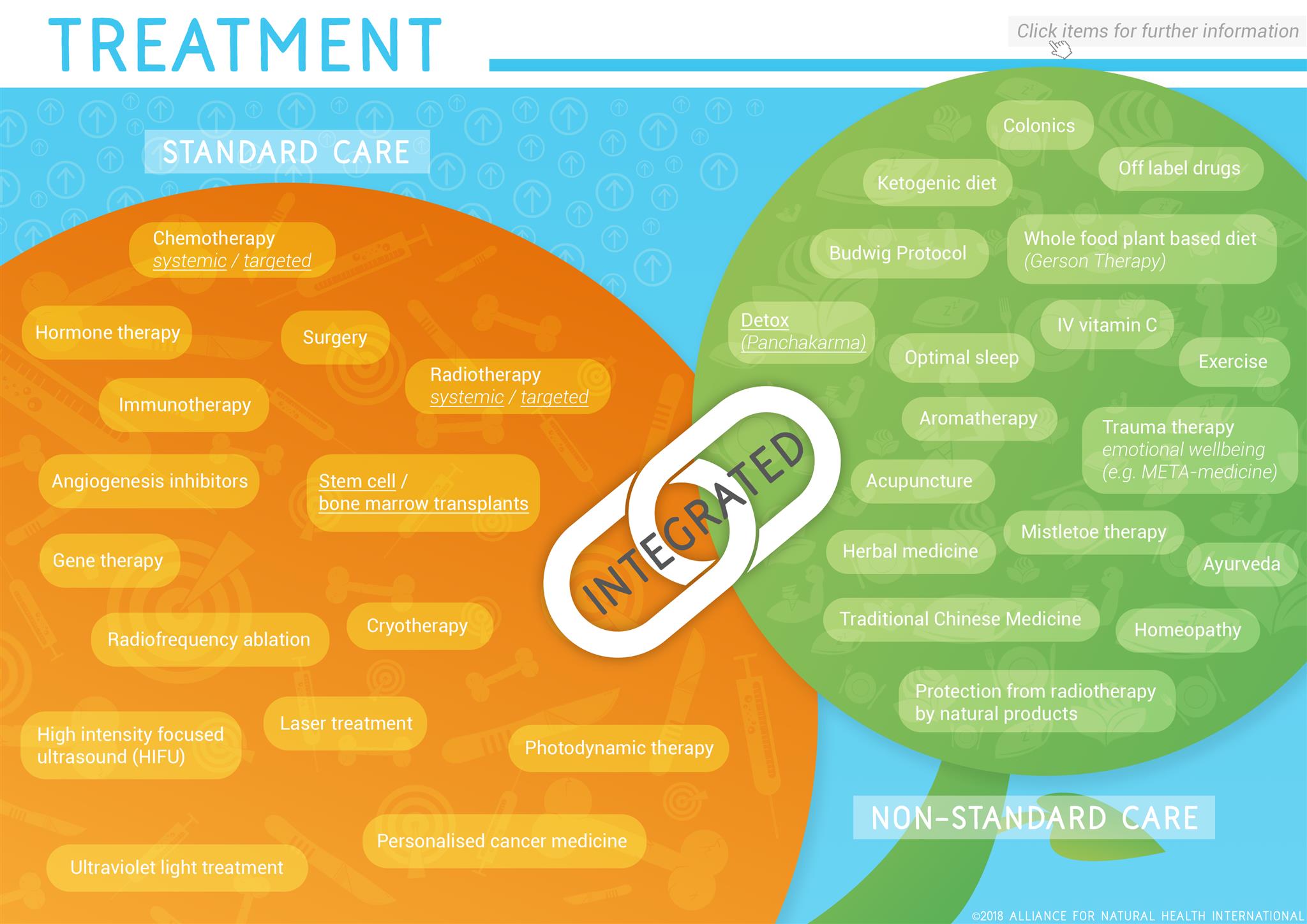
Asking the right questions, becoming empowered, doing your own research and seeking second, third or even fourth opinions is often the best way to prepare yourself for your journey. In an effort to make things a little easier, we’ve compiled an interactive infographic complete with links to further information that might be helpful to your process.
We unpack the growing public-health threat of youth energy drink dependence in the absence of legislative safeguards

Our weekly roundup of the latest natural news from across the globe in one place. This week: Are digital spaces harmful to young people?; Food preservatives & T2D; Gut health & brain health; Changes to US & UK childhood vax schedules; Being creative keeps our brains young; Updates from ANH-USA; Threats to Free Speech; Post-covid related and much more…

Event Upcoming Member events Members’ Briefing and Q&A – January 2026 Date: Wednesday 21st January 2026 Time: 18:00 (6:00 pm) – 19:30 (7:30 pm) GMT

Check out our snapshot of a wild year defending our right to natural health in an ever more complex world.