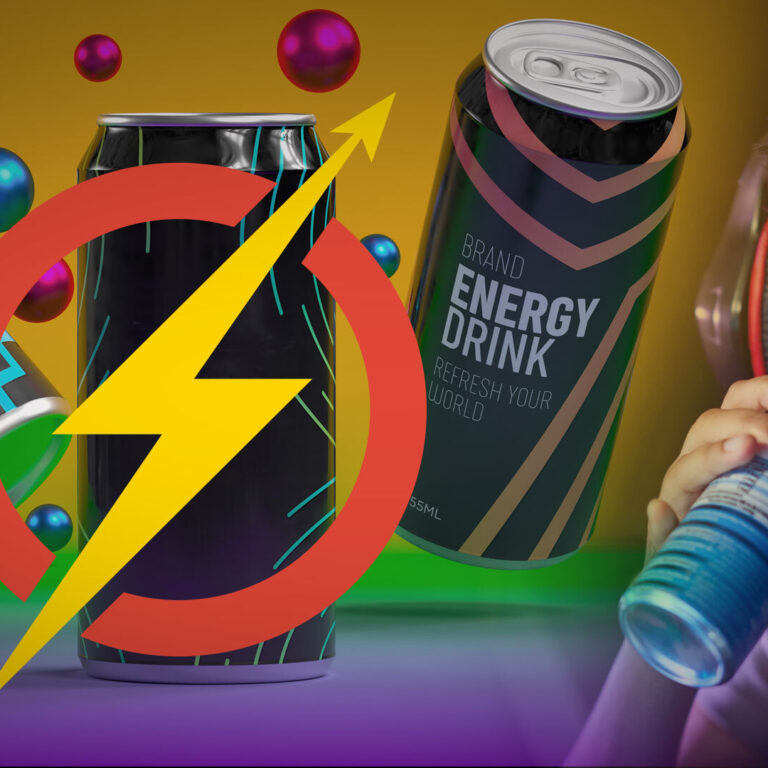
Beyond the buzz: How energy drinks and caffeine dependence are rewriting youth behaviour
We unpack the growing public-health threat of youth energy drink dependence in the absence of legislative safeguards

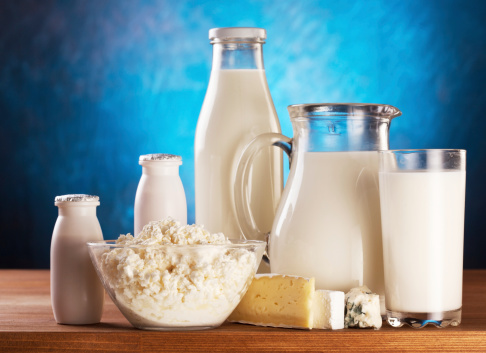
At the recent launch of the Royal Osteoporosis Society (ROS) in the UK, the Duchess of Cornwall condemned ‘fad’ diets that encourage young people to cut out dairy. But is there sufficient evidence behind the implication that foregoing dairy in adults, one of the most common food allergens, is bad for your bones? Lactase-persistence (ability to digest the milk sugar, lactose) in adults varies dramatically in different parts of the world and among different ethnicities. Typically, up to 30% of westerners show some degree of intolerance to dairy and generally over 90% of east Asians.
There is a growing number of people eschewing dairy in favour of plant-based ‘milk’ drinks for reasons ranging from allergies and intolerance to environmental and animal welfare issues. Having experienced the burden of osteoporosis in her mother, the Duchess of Cornwall believes that dairy products are an essential part of the preventative measure. This echoes the top down messaging from the mainstream, but bone health is about more than just calcium – not withstanding the absorption issues with accessing the calcium in milk. It’s also little known or acknowledged by the mainstream that there is emerging science demonstrating the link between autoimmune disease and osteoporosis.
Should you, or shouldn’t you include dairy in your diet? Because it’s #ThrowbackThursday we’ve dusted off some of our previous articles on the subject so you can make your own informed decision.
Last week, we offered our base reasoning why dairy is off the ANH-Intl’s Food4Health guidelines. There wasn’t space to give much in the way of detail, which your post-article feedback rightly reflected. This week, the milk story continues so that you can make your own informed choices about whether to keep indulging in dairy products, change your dairy choices, keep them for special occasions only, or say goodbye to them permanently.
There’s no denying that milk, whether from a cow, goat, sheep, buffalo or camel, provides beneficial nutritional factors. The key questions include whether you need to obtain those nutritional factors from milk and whether the potential health risks outweigh any benefits, at least in some individuals. Let’s be upfront: the science presents a mixed bag of results so it’s impossible to make a definitive judgment one way or the other that will apply to all people at all times of their lives. Some people could derive a great deal of benefit from the right kind of dairy products and others will likely increase their risk of dairy-driven health problems. And don’t forget, the addictive nature of the casomorphins can override any gut instinct you may have about whether milk is doing you any good or not.
Governments, the food industry and the dairy marketing boards have done a great sales job. Despite around 75% of people round the globe being unable to digest lactose, a truly enviable PR and marketing campaign has managed to convince a large majority that cows’ milk is the food of the Gods and must be consumed daily, especially by the young. If you’re a baby calf, of course, it truly is the food of the Gods. But for human beings over the age of 5, it can be the root of much distress and ill health, though this is rarely recognised as such by the mainstream.
Read on and find out why you won’t see cows’ milk appearing on the ANH Food4Health guidelines anytime soon.
We unpack the growing public-health threat of youth energy drink dependence in the absence of legislative safeguards

Our weekly roundup of the latest natural news from across the globe in one place. This week: Are digital spaces harmful to young people?; Food preservatives & T2D; Gut health & brain health; Changes to US & UK childhood vax schedules; Being creative keeps our brains young; Updates from ANH-USA; Threats to Free Speech; Post-covid related and much more…

Event Upcoming Member events Members’ Briefing and Q&A – January 2026 Date: Wednesday 21st January 2026 Time: 18:00 (6:00 pm) – 19:30 (7:30 pm) GMT

Check out our snapshot of a wild year defending our right to natural health in an ever more complex world.