Beyond the buzz: How energy drinks and caffeine dependence are rewriting youth behaviour
We unpack the growing public-health threat of youth energy drink dependence in the absence of legislative safeguards

By Chimnonso Onyekwelu and Melissa Smith
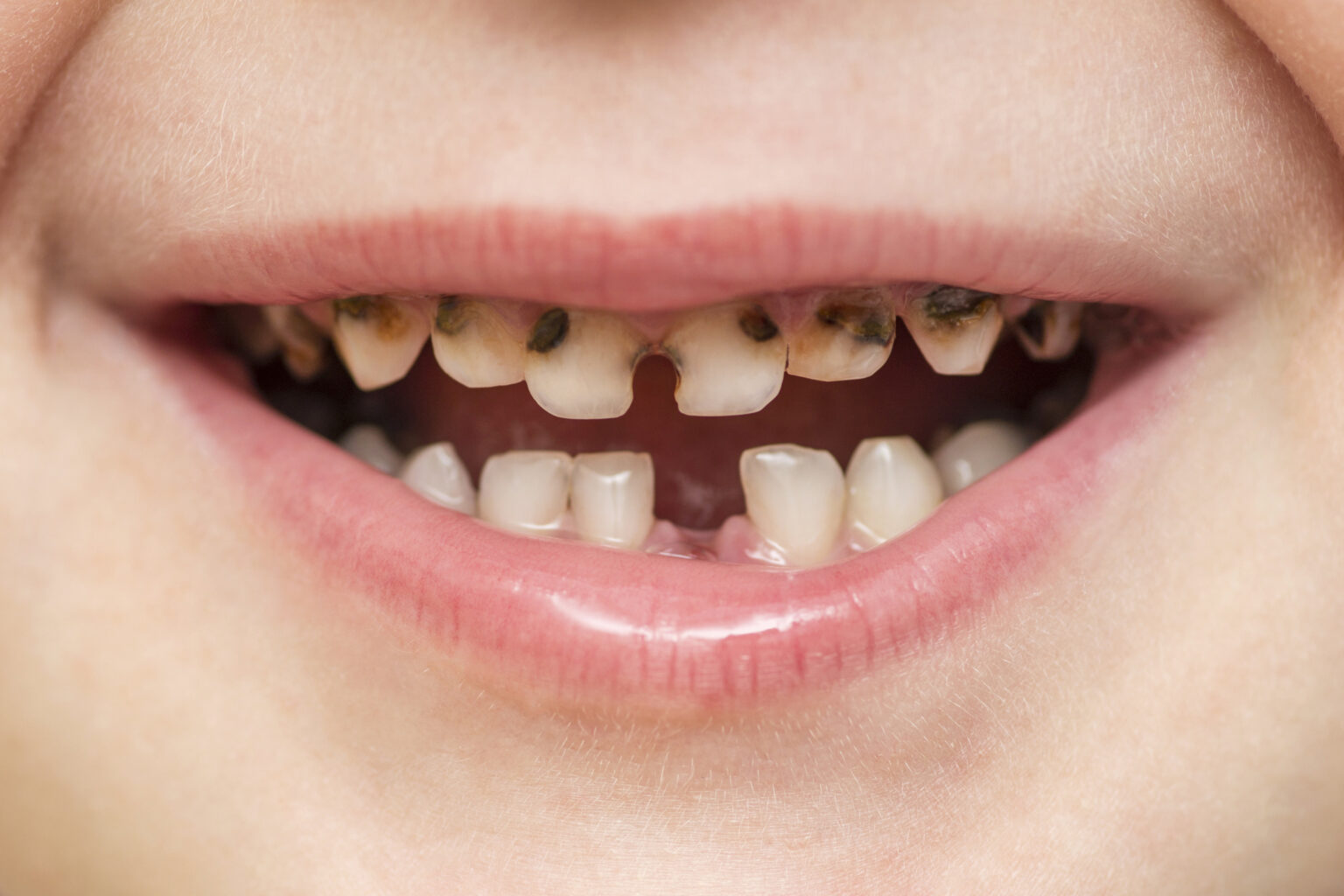
Early childhood caries (ECC)—commonly known as tooth decay—are the most common chronic disease among children globally. Amazingly, tooth decay is five times more common than asthma and seven times more common than hay fever in children. In the UK, it remains the leading cause of hospital admissions for children aged 6-10 years. Recent data shows that 33.4% of secondary school students in England have visible dental cavities and nearly 46% of children in the US are affected. Despite being largely preventable, childhood tooth decay continues to surge.
In response, public health strategies like water fluoridation and increased access to dental care have been widely adopted. Yet these efforts haven’t curbed the crisis. In the UK alone, by the end of 2024, there were 49,112 hospital episodes for tooth extractions in children aged 0 to 19 with 62% of them having a primary diagnosis of tooth decay. Traditionally, tooth decay has been blamed on high-sugar diets, starchy foods and poor oral hygiene. But an increasing number of children with healthy diets and good brushing habits are still developing severe decay—some requiring surgery. This troubling trend suggests we may be missing deeper, less visible causes.
Might the true roots of dental disease begin even before birth? Emerging research points to factors like maternal nutrition, toxin exposure during pregnancy, birth interventions and the early-life microbiome as key contributors to a child’s oral health. These findings also raise new concerns about overexposure and underexposure to fluoride. To truly understand and prevent dental disease in children, we must widen our focus from the mouth itself to the earliest stages of life.
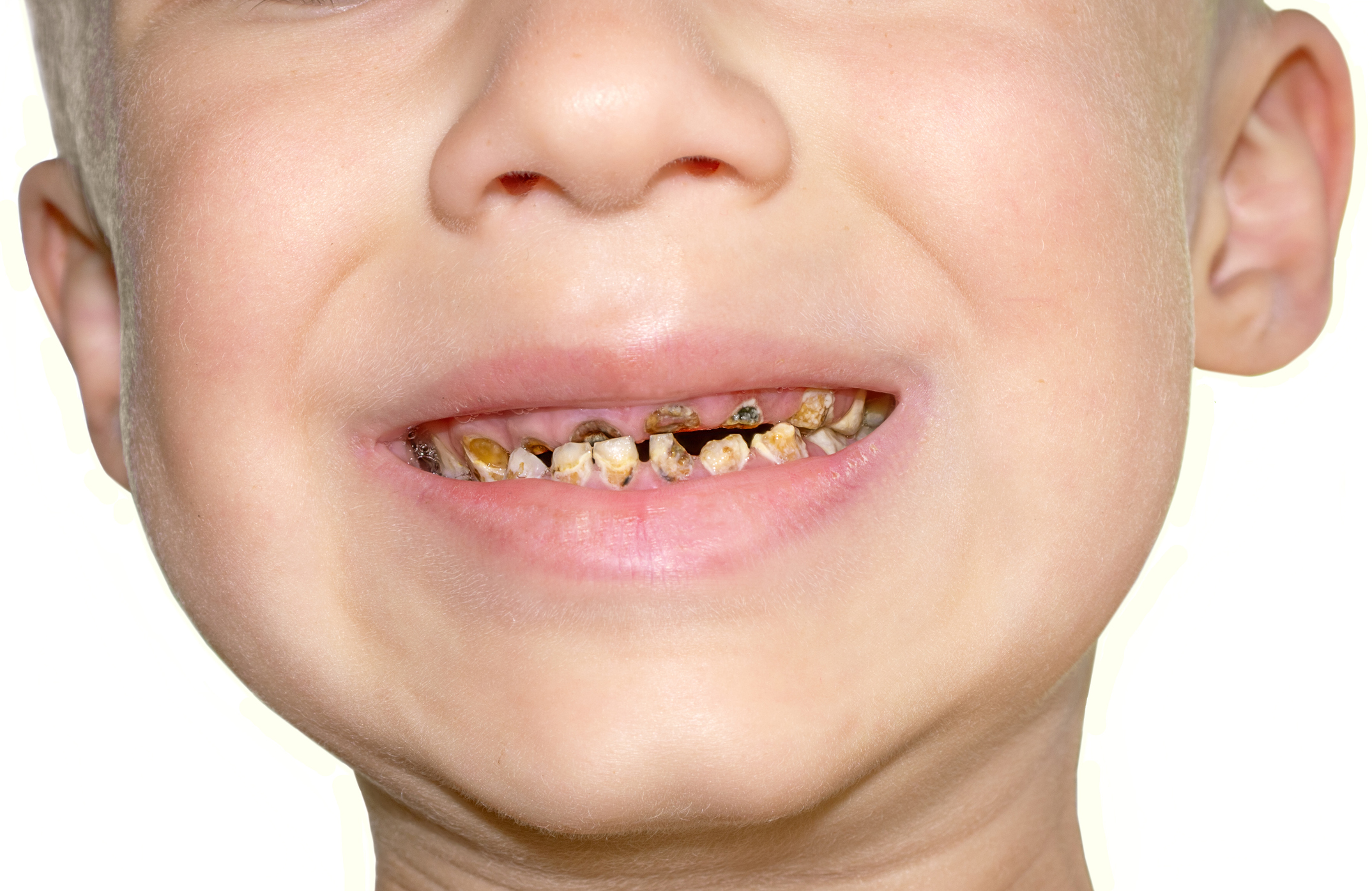
ECC refers to the presence of one or more decayed, missing, or filled tooth surfaces in any primary tooth in children 71 months (about 6 years) or younger, as defined by the American Academy of Paediatric Dentistry. It’s also commonly known as baby bottle tooth decay, nursing bottle caries, or milk bottle syndrome. Regardless of the name, the mechanism is the same: bacteria—primarily Streptococcus mutans—feed on sugars from food and drinks, producing acid that lowers the mouth’s pH, eroding enamel, and weakening the tooth. Over time, this leads to cavities and even tooth loss.
However, a child’s risk of developing ECC starts long before the first tooth appears. Studies (here and here) show that mothers can transmit cariogenic bacteria to their infants—especially between 6 and 30 months of age—through everyday actions like kissing, sharing utensils, or pre-chewing food. In this way, maternal oral health directly shapes the baby’s oral microbiome. Even during pregnancy, a mother’s diet and gut health can affect tooth and jaw development in the womb. Nutrients like vitamins A, D, and K2 help form strong enamel and jaw structures, while calcium supports tooth mineralisation. On the other hand, antibiotics, antidepressants, and poor maternal gut health can impair nutrient absorption and disturb microbial balance—effects that may then be passed on to the child.
While a mother’s gut health and diet lay the foundation, what happens during and after birth is just as important for a baby’s oral health. The mode of delivery, ie. whether it’s a vaginal birth or a caesarean section (C-section), can shape or disrupt the development of a baby’s oral microbiome. Research (here and here) has demonstrated that babies born vaginally are exposed to more beneficial bacteria from the maternal vaginal canal, helping seed a healthier oral, nasal and skin microbiome, as well as the gut. This process, known as vertical transmission, is largely bypassed in C-section births, which leaves infants more vulnerable to imbalanced microbial development throughout their bodies.
Similarly, antibiotics, while sometimes necessary, wipe out both harmful and beneficial bacteria, disrupting the microbiome’s natural balance. Just one course of antibiotics will alter the gut microbiome for years, irreversibly for some species. Early exposure to antibiotics in infancy significantly affects the diversity and number of bacteria colonising the baby’s mouth and gut.
Beyond these early-life influences, several ongoing factors also shape a child’s oral health and immunity. Feeding practices, such as breastfeeding versus bottle-feeding, the type and timing of weaning foods, and frequent consumption of sugar and refined starches can all feed harmful bacteria and wear down enamel. Reduced saliva flow due to certain medications or health conditions, can limit the mouth’s natural protection. Poor oral hygiene, especially when brushing is delayed, sporadic, irregular or unsupervised further increases the risk of decay.
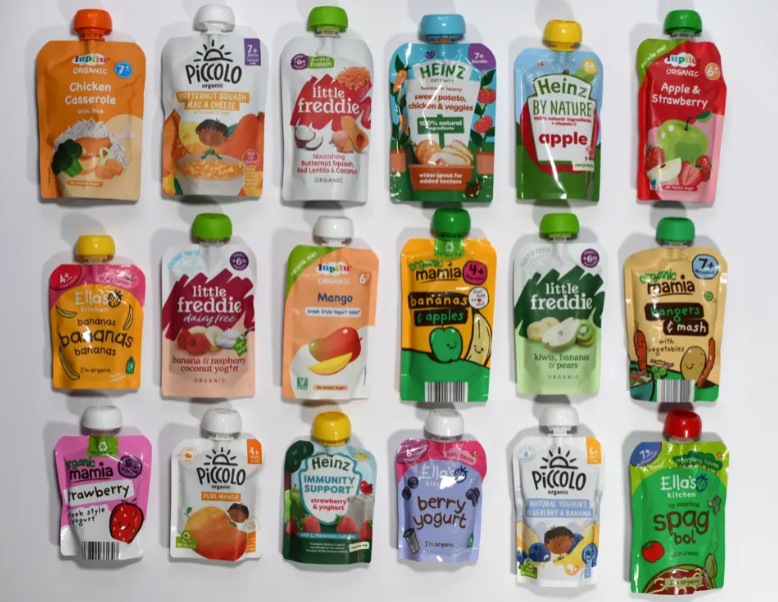
Source: BBC—Top-brand baby food pouches lack key nutrients
In recent years, the rapid rise of plastic food pouches that children suck on has alarmed healthcare authorities and dentists, as many of them come with extremely high sugar contents. Regular consumption of these pouches has been linked to an increased risk of dental decay in young children. We also need to mention the rapid introduction of a range of non-nutritive sweeteners to eliminate sugar in people’s diets, which is now raising questions about the effects not only on the gut microbiome, but the oral microbiome as well. Together, these factors create an environment where dental disease can take root early and progress quickly in children.
>>> The importance of nurturing your child’s Oralome
In 1945, community water fluoridation was introduced as a strategy to reduce dental caries. This involved adding controlled amounts of hydrofluorosilicic acid, the ‘fluoride’ used to mass medicate public water supplies, based on research suggesting that fluoride strengthens tooth enamel and helps prevent decay. Over the following decades, the benefits were documented (here, here and here), with studies reporting a 50–70% reduction in tooth decay among populations with fluoridated water.
However, in recent years the apparent public health victory of water fluoridation has since come under scrutiny. Later studies (here and here) reveal that alongside the decline in dental caries came a rise in dental fluorosis—white streaks, spots, or enamel discolouration caused by excessive fluoride during tooth development. Even more concerning, high levels of fluoride exposure have been linked to skeletal fluorosis (painful joint and bone damage), calcification of soft tissues, increased fracture risk, and impaired bone development. A major meta-analysis also found that children exposed to high fluoride levels had lower IQ scores compared to those in low-fluoride areas, raising red flags about its impact on brain development.
This isn’t entirely surprising. Fluoride is a naturally occurring mineral found in water, soil, and certain foods. While it can help protect teeth at low levels, too much of it disrupts calcium signalling, mitochondrial function, and the normal development of tooth enamel, making it porous or mottled. In a natural diet, we’d only ever be exposed to minute quantities, very different to when the public is exposed to the indiscriminate mass medication of the water supply. The more water you consume, the higher your dose regardless of age or body size.
What we’re also not readily told is that the ‘fluoride’ that’s most often added to water supplies is actually a highly toxic by-product of the phosphate fertiliser industry, called hydrofluorosilicic or hexofluorosilic acid due to its low cost and ease of disposing of so much by-product. Sodium fluorosilicate and sodium fluoride may also be used. These forms differ significantly in origin and composition from naturally occurring fluoride compounds (calcium fluoride), however, both release fluoride ions in water.
A systematic review published in the Lancet in 2014 officially labelled industrial fluoride as a neurotoxin. Many states in the US are now stopping water fluoridation as evidence mounts against its supposed efficacy and safety. Unfortunately, the UK appears to be going in exactly the opposite direction.
Alarmingly, fluoride exposure today goes beyond tap water. It’s included in toothpastes, mouth rinses, dietary supplements, as well as fluoridated foods and beverages. Consider how much exposure a tiny infant has if on infant formula reconstituted with fluoridated water? Babies are at particular risk of overexposure at a time of critical development and growth.
The Fluoride Free Alliance UK, in collaboration with Kingfisher Justice, is mounting a legal challenge to stop water fluoridation in the UK once and for all as the UK government threatens further fluoridation of water supplies.
Clearly, focusing on sugar reduction and regular brushing to prevent childhood dental disease is too narrow. The mouth is a living ecosystem made up of bacteria, fungi, viruses and other microorganisms. Its health depends not just on cleaning, but on how this complex system interacts with the rest of the body and the foods and liquids that go through it. True oral health begins well before a child picks up a toothbrush. It starts with a healthy mother, a balanced maternal gut microbiome and mindful early-life oral care.
To ensure lifelong oral health for our children, we must work from the inside out. This includes feeding them a nutrient-dense, minimally or unprocessed diet rich in calcium, phosphorus, magnesium, fat-soluble vitamins and essential microminerals (which will contain naturally-occurring fluoride). It means avoiding constant snacking, nurturing the oral microbiome with fermented foods and probiotics, and promoting the development of strong jaws through chewing whole and textured foods.
Policymakers and health professionals have a role to play too. Systemic changes like educating mothers about prenatal nutrition, facilitating access to dental care, regulating fluoride exposure and banning harmful products like caffeinated energy drinks for children is essential. By tacking these often-overlooked factors, we can raise a generation of children whose oral health isn’t in need of saving or just barely maintaining, but truly strong, whole and healthy.
Join Rob Verkerk PhD as he sits down with holistic dentist, Dr Elma Jung, to bust some common myths around how we care for the health of our teeth.
>>> Fluoride Free Alliance UK (FFAUK)
>>> If you’re not already signed up for the ANH International weekly newsletter, sign up for free now using the SUBSCRIBE button at the top of our website – or better still – become a Pathfinder member and join the ANH-Intl tribe to enjoy benefits unique to our members.
>> Feel free to republish – just follow our Alliance for Natural Health International Re-publishing Guidelines
>>> Return to ANH International homepage
We unpack the growing public-health threat of youth energy drink dependence in the absence of legislative safeguards

Our weekly roundup of the latest natural news from across the globe in one place. This week: Are digital spaces harmful to young people?; Food preservatives & T2D; Gut health & brain health; Changes to US & UK childhood vax schedules; Being creative keeps our brains young; Updates from ANH-USA; Threats to Free Speech; Post-covid related and much more…

Event Upcoming Member events Members’ Briefing and Q&A – January 2026 Date: Wednesday 21st January 2026 Time: 18:00 (6:00 pm) – 19:30 (7:30 pm) GMT

Check out our snapshot of a wild year defending our right to natural health in an ever more complex world.