
Beyond the buzz: How energy drinks and caffeine dependence are rewriting youth behaviour
We unpack the growing public-health threat of youth energy drink dependence in the absence of legislative safeguards

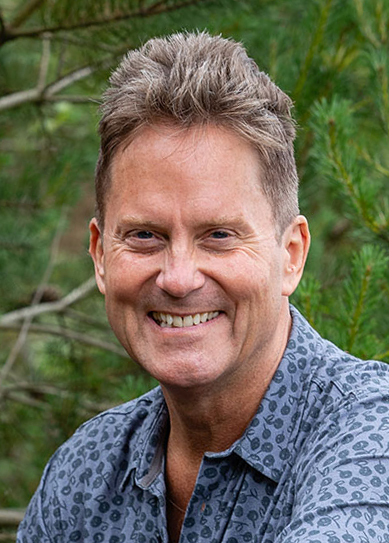
“We need to be able to heal ourselves with nature, not necessarily with drugs. That should be our choice.”
– Rob Verkerk PhD
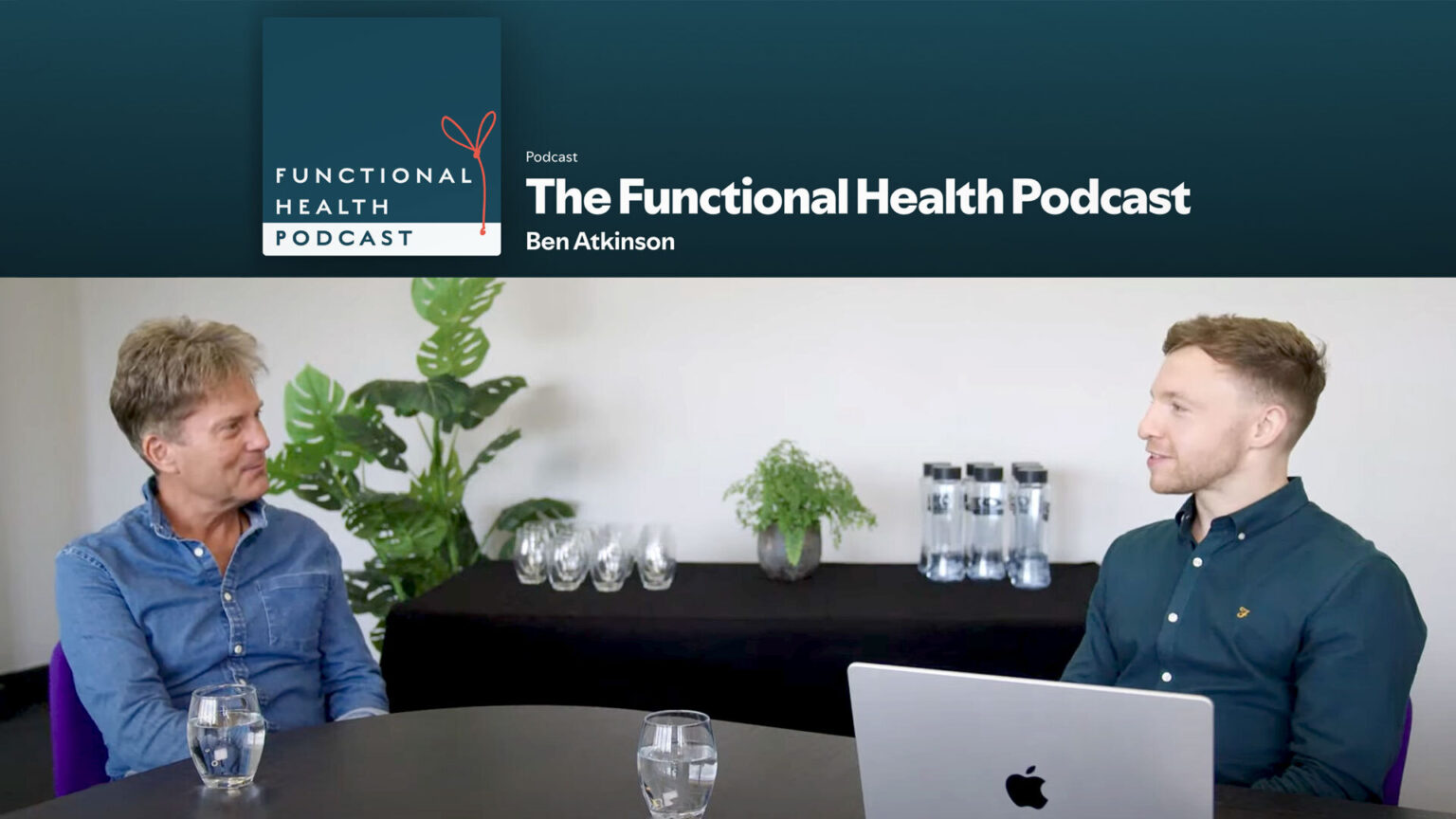
New Release! ANH founder, Rob Verkerk PhD, met Ben Atkinson, Nutritionist, speaker and science communicator from the Functional Health podcast at the IPM Congress in London, to discuss peptides and the role of natural peptides in healing disease.
Ben is a nutritionist with the core belief that a holistic and functional approach to health is fundamental to optimal well-being. He has held research and science communications posts at health institutes and charities, always aiming to empower individuals to take control of their health by increasing access to and understanding of health information. Ben now hosts the Functional Health Podcast and promotes the integration and collaboration of allied health professionals.

In recent years, peptides have emerged as a promising tool in the field of integrative medicine, particularly for their potential to slow down biological ageing. Biological ageing refers to the rate at which our bodies age at the cellular level, which can differ from our chronological age. This distinction is crucial as it influences our susceptibility to chronic diseases. By extending the gap between our chronological age and biological age, even by a couple of years, we can significantly reduce the risk of conditions such as cardiovascular disease and metabolic disorders. This approach is gaining traction, especially with advances in epigenetic testing, such as those provided by True Diagnostics, which offer insights into an individual’s biological age and pace of ageing.
One of the most exciting developments in this area is the application of peptides, particularly short peptides, which are naturally occurring regulatory molecules. These peptides, composed of chains of amino acids, play a crucial role in various bodily functions. Unlike traditional pharmaceuticals that often block pathways, peptides facilitate and enhance biological functions. They can be manufactured synthetically or extracted from animal sources, and when used correctly, they can communicate with our body’s systems to promote repair and regeneration at a fundamental level.
The late Vladimir Khavinson, a pioneer in peptide research, demonstrated the potential of these molecules over decades. His work, particularly with short regulatory peptides, has shown that they can enter the nucleus of cells and interact directly with DNA to influence cellular processes. This interaction can lead to the repair and rejuvenation of tissues, offering a promising avenue for addressing ageing and associated diseases. Notably, peptides have been shown to positively affect various systems, including the endocrine and immune systems, by communicating with pluripotent stem cells to initiate repair and regeneration.
Over to Ben and Rob for a fascinating conversation about the potential of natural peptides to heal disease and slow biological ageing.
Ben Atkinson
Let’s start with the big question. Can Peptides slow biological ageing?
Rob Verkerk PhD
God, yes, absolutely. That is one of the whole points. And the fascinating thing about biological ageing is that many people in the sort of anti-ageing community have got very excited about that. But actually those of us who are more interested in the bigger questions of how we deal with ageing populations and the burden of chronic diseases, anti-ageing is really, really important. If we can extend that length between our chronological age, our calendar age and our biological age, even if it’s a year or two, we can dramatically change our profile in terms of risk of chronic diseases. And of course, now that we move into the world of epigenetic testing, it’s now very accessible and a little plug for True Diagnostics, who are absolute leaders in that field. We’re getting really, really great data in the research community. But in terms of citizen science, that’s where it’s really happening. People just starting to use peptides, doing a baseline test, doing a true age measurement.
Ben Atkinson
True Age, the company.
Rob Verkerk PhD
So True Diagnostic is the company. And then you can take True Age complete. And this is what we call sort of third generation epigenetic testing. So getting a snapshot of where you are in terms of your, most people know their calendar or chronological age, but getting a snapshot where your biological age is in relation to that. Say if you, if you have a five year difference, you will probably somewhere between 50 and 60% reduce your risk of cardiovascular disease, metabolic disease, stroke, even depression. So there’s a whole cluster of diseases that True Diagnostics has basically pulled all the data together so they know exactly where you are and you’ll get a specific percentage for each of those diseases, what your risk is. But what’s really exciting about where these tests have got to now is that we can now look at the pace of ageing. So you will get a figure. So say you got a figure of 1.0. That means that you are tracking chronological age with biological age. But what you really want to do is create a lesser number for your pace of ageing, bring it to 0.95 to 0.95.
Ben Atkinson
I’ve seen a leaderboard for this.
Rob Verkerk PhD
Yeah, so that’s where we’re seeing really, really stunning results. And I was at a conference with Bill Lawrence, who’s both a PhD and a JD in the US he’s been working with, with Khavinson short peptides, regulatory peptides for about 10 years now. And he’s got two major trials running in the US and we had a really good look at his data and it’s just consistent across the board. People taking say two, three different peptides and depending on which parts of their body need more support. Really interestingly, the one peptide that everyone should take, not everyone would necessarily know this instantly unless you have more of a spiritual consciousness, but the pineal peptide is something that everyone needs to take.
Ben Atkinson
Are you going to talk to me about calcification of the pineal gland?
Rob Verkerk PhD
Well, it’s one of the reasons that I did want to know if it was filtered and whether it had fluoride in. Because calcification through fluoridation is a significant problem. Same way that we see dental fluorosis developing in teeth for people who are on fluoridated water. But the same can happen in the pulmonary pineal gland. But it’s more about the fact that the pineal gland, both physiologically as well as in terms of our understanding of energetic or spiritual systems, is the master controller. So, and , 40 years of work that Vladimir Khavinson has done, he said, as soon as we pull that pineal peptide out, we don’t get the results when we keep it in. So it’s that sort of fundamental foundational.
Ben Atkinson
Peptide results in terms of biological ageing, which you see.
Rob Verkerk PhD
Biological ageing is a marker. If you were to look at all of the markers in the body, life would become very complicated. It would also be extremely expensive. So, we all look at markers for body systems that are struggling. And those body systems that are struggling are inevitably going to be under more stress. And those systems will be ageing prematurely if they’re under stress. So if your entire body is permanently under stress, look at an elite athlete. What happens? They age like a banshee. Airline pilots, they age very, very rapidly.
Ben Atkinson
Yeah. I mean, cardiovascular wise, we know that already.
Rob Verkerk PhD
Yeah. So then you have a high glucose diet. Think of the pancreas, think of the liver. So those are two systems that have been massively under stress.
Ben Atkinson
So add a bit of alcohol on top of that.
Rob Verkerk PhD
Yeah. And then let’s throw the adrenals into the mix.
Ben Atkinson
Yeah. Massive amounts of stress.
Rob Verkerk PhD
Everyone’s living these days.
Ben Atkinson
What are peptides? Why should we care so much about them?
Rob Verkerk PhD
Okay, so a peptide is simply a covalently bonded series of amino acids. Take insulin, it’s a peptide. It has as I recall, about 51 amino acids, but it’s quite long. So anything that has more than 20 amino acids we tend to refer to as a polypeptide. So we’re looking at sub 20 amino acids in the chain. And the really exciting thing with these natural regulatory or bioregulatory peptides is they’re shorter than that as well. So they tend to be only say two to seven amino acids. The correct sort of category for them is short peptides or very short peptides. So the other feature about them is that you can manufacture, you can manufacture them in a lab. Yes, you can also extract them from closely related species. We share 60% of our genes with a banana, we share more than 95% with, something like a pig or a cow. So essentially what Khavinson. Shall I just give you a little bit of background to understand how this research on short peptides came about. So Vladimir Khavinson was in the military as a doctor and was commissioned about 45 years ago to find a way of making the USSR Soviet military more robust.
And they stumbled, when they were looking at many different agents, they stumbled on this notion of being able to use extracts that came from animals that did some quite extraordinary things. And essentially that has resulted in 40 years of work. Very sadly on the 6th of January 202, Vladimir Khavinson passed and his wife, Dr. Trofimova, who was heading up the clinic at the Institute of Gerontology and Bioregulation in St. Petersburg, is still running the clinic. They are increasingly involved in how they can get these peptides outside of the Soviet Union, particularly with what’s happening now between Russia and Ukraine. The manufacturing site for the natural peptides has for many years already been in the EU. So , when people think, oh, these are Russian peptides, well actually they’re not. They’re coming from a pharmaceutical grade manufacturing facility dealing with pigs and cows. So bovine and porcine sources and essentially the peptides are extracted from very specific organs and tissues and then purified to a very, very high degree and then they can be stored and they have pretty good shelf life. They are mixed with a very small number of recipients.
So you are essentially taking a concentrated series of these natural peptides in terms of understanding the principles. If you take a specific regulatory peptide from a specific organisation of a closely related species, it speaks, it communicates to that organ. And these very, very tiny peptides, they enter the nucleus. In fact they enter the nucleolus right in the heart of the cell, they then engage directly with DNA. So you get a DNA peptide interaction that then triggers the whole MRNA translation process into ribosomes. They work at this incredibly fundamental level. I mean it’s one of the reasons that we in the field of nutrition, we’re always interested in pushing the boundaries and everyone has a deep knowledge of vitamins and minerals. They don’t necessarily know exactly how they work. Like a television screen, we all know about a television but , if we go into a cathode ray tube or into a plasma screen, exactly how it works. Well, I’m not so sure. And it’s a bit like that. So we end up learning what these things do and what benefits they have. But we’re now in this kind of field progression within scientific discovery where we really are looking at the genetic, molecular and submolecular level.
And it turns out that if you could restart nutrition, you’d start by looking at very fundamental building blocks of DNA like nucleus size and nucleotides, which are nutritional ingredients that sitting there as essentially conditionally essential nutrients. We know that there are a lot of them in breast sculpt but we can’t produce DNA, We’ve got rapid cell division, we can’t actually produce DNA and we need a hell of a lot more RNA if we don’t have sufficient supply. But peptides are these extraordinary regulatory molecules and we’re, , Khavinson has contributed more to this field than any other group because he’s been part of a group. But they work at this incredibly fundamental level which is why you see them being essential for the endocrine system, the immune system, all sorts of, neurotransmitter functions are dependent on them. We just, so we’re looking at, if you like, the cogs inside the, the machine of nutrition. And sadly they haven’t entered the textbooks of nutrition yet.
Ben Atkinson
Yes, I mean this is something which I find fascinating because I think the person that you referenced, Vladimir, has 700 peer reviewed papers on this topic, which is pretty phenomenal, and a number of books, quite a few of which have been translated into English. And considering I must have interviewed over 100 experts like yourself and I’ve never heard this topic come up once. It’s pretty amazing, I think.
Rob Verkerk PhD
Yes, it is. And what tends to happen if you look in the world of say frequency medicine, when we thought the iron curtain had disappeared. Actually in terms, some of this is a linguistic issue, some of it is a cultural issue. Other parts of it are a geopolitical issue. So some of the science that’s been going on in Russia just has not found its way into the Western world. There are many different groups in the Western world working in peptides. Most of them are with the drug companies. And so another problem we face here is that the drug companies are going, why? Wow. These things can do a whole bunch of things that other drugs that largely block pathways, block receptors from functioning. These are facilitators of biological function. They are bioregulators. So, but as per usual, what we’re seeing is this tussle between what I could describe as the. The Khavinson approach, where you use these things to enhance function, which is very much within the domain of nutrition, versus the pharmaceutical side, where they are looking at things that are specifically antimicrobial. You can get peptides that promote cancer, you can get peptides that are protective against cancer.
So because we’re dealing with this codon language of DNA which we don’t fully understand, we’re at the beginnings of understanding the language of DNA. It’s very, very easy to get it wrong. And so we resonate very strongly with the Khavinson approach because it says, right, even though they are making some synthetic peptides, they are absolute 100% analogs or the natural ones. So they’re not trying to invent a new language the way the drug companies are. So they’re saying, let’s just extract the peptides that exist in these organs. We know that they are pluripotent stem cells, small in number, that sit in every one of our tissues that are waiting for the instructions to come along from these bioregulators to say help me, help me. And let’s remember that a pluripotent stem cell is really identical to an embryonic stem cell. It’s just an adult version of the same thing.
Ben Atkinson
Yeah. So these are cells which can basically differentiate into any other cell in the human body. So it could be used to repair tissue or
Rob Verkerk PhD
Correct. So that’s at the heart of the mechanism for these bioregulatory peptides. They are communicating to these pluripotent stem cells. They’re going right into the nucleoli of those cells, engageing with DNA and then altering the transcription machinery through the ribosomes to produce the building blocks of life, starting the repair process, whether it’s fibres, whether it’s muscle tissue, whether it’s cell membranes, you name it.
Ben Atkinson
So how can these peptides be used and in what circumstances?
Rob Verkerk PhD
Well, the thing is they can be used by absolutely everyone. They’re not the cheapest nutritional supplement, but they are selling both in Europe now and in the United States and many other parts of the world under the category of dietary supplements. Why? Or food supplements in Europe? The reason being that they are a concentrated source of nutrients. We can all legally engage in nose to tail eating of animals. We can also go tip to root for plants. It’s actually a great thing to do nutrionally. We have been far too selective about the plant parts and the animal parts that we were eating. And in fact, a lot of the problems that peptides we have consumed like nucleotides historically in our diets. But since we’ve taken organ meats out of the diet, we are really deficient in these regulatory peptides and these building blocks.
Ben Atkinson
These regulatory peptides are actually in organ meats naturally.
Rob Verkerk PhD
They are.
Ben Atkinson
So I’ve heard this comment, I think it’s in Chinese medicine when they say like feeds like. Yeah, sometimes they’re referring to certain vegetables which look like things in the human body. For example, a walnut kind of resembles the brain in the different hemispheres. But are you saying that if I eat lamb’s liver, let’s say those peptides will actually be nurturing my liver. Is there science behind that?
Rob Verkerk PhD
So we’re very used to looking at the role of telomerase, the end caps of chromosomes, as being the gauge for where we are. For every cell division our telomerase, our telomeres shorten and as we get older, the amount of the enzyme telomerase changes so that we have increasing problems with age. But of course, there are many other reasons that we are ageing. And one of the very fundamental ones is that we don’t have enough resources to talk to the systems that can engage with repair. So when you start to see the breakdown of DNA repair mechanisms combined with immunosenescence, you might say, well, yes, we’ve got to try and reduce telomere shortening. But what we really need to do is put regulatory peptides into that system because it does both. There’s very, very clear evidence that it not only reduces the rate of shortening of telomeres, it actually can in the right. When we start looking at the data with individual subjects, we see there’s a big inter-individual difference. So with some people, is that for.
Ben Atkinson
The dose for the peptide itself?
Rob Verkerk PhD
Yes, yes. And you can’t really know where you are until you start taking them. But it’s very, very rare to see someone that doesn’t respond at all. But there are some people who can be on a peptide regimen, say, for two years and will experience a reversal of biological age. That might be 10 years in that two years. So they should have got two years older, but they’ve got 10 years younger. And another person where it might just be, they’ve been out for two years, it might be three or four years. So, yes, the concept, the principle of taking peptides from a young, healthy animal that is not ageing and putting it into a host, another organisms, ourselves, who has specific programmed ageing response that is linked to a gene environment, epigenetic interaction, makes a huge amount of sense. So, and that’s essentially why the source of your peptides is so crucial. What’s also been found is that if you create the synthetic analog of the natural peptide, you get a different kind of effect. You actually need the natural peptides. What they found for people with significant chronic diseases. They will often use injectable synthetic peptides first to kick the response off and then follow up with dietary peptides.
Ben Atkinson
When you say dietary peptides, what are you referring to?
Rob Verkerk PhD
With the supplemental form. So these are completely naturally extracted forms, just concentrated, and they are really. So, in fact, if we look at the trials being conducted by Bill Lawrence in the US no injectables, no synthetics, 100% of them are these naturally derived supplemental peptides.
Ben Atkinson
This is absolutely fascinating. So I guess we can’t really quantify the effect that our nutrition has in terms of eating these organ meats on that said organ. But we know that the peptides, when they’re extracted, are incredibly powerful in that regard.
Rob Verkerk PhD
The bottom line is that you would need to be eating organ meats a lot of the time. The effect may not be that profound because the amount of peptides is very, very small in organ meats, which is the principle of concentration. And that principle we’re very used to dealing with in nutrition. If you relied only on the amount of let’s say nicotinic acid that was in the diet, you couldn’t exert the kind of effects on neurotransmitters or cholesterol that you could when you take very high dose nicotinic acid. So that that principle is already there.
Ben Atkinson
So you’ve explained how peptides can be used to reduce or at least reverse some of the biological ageing. How can they be used to regenerate new tissue if something is damaged?
Rob Verkerk PhD
Essentially by using the peptide that is derived from that very tissue that has the problem because of the signalling system and the fact that our genes are so similar when we look at a porcine or bovine source that. So someone who has circulatory issues will want to use say the vessels peptide. Someone who is suffering massive adrenal stress will want to use an adrenal peptide. Always with the pineal peptide. There are also some sort of specific peptides that the Khavinson group, the Institute of Gerontology, Bioregulation and Gerontology have determined over time. I had my own. I suffered an injury.
Ben Atkinson
Yes, tell me about that.
Rob Verkerk PhD
Yeah, I suffered an injury in my inner ear. I basically broke the round window. I had been scuba diving, but that wasn’t the problem. I was snorkelling on this particular day and my daughter dropped her mask in 11 meters of water. And this is in Croatia. The water is very, very salty. And it was damn hard going down to get it. And I went up and down 10 times and I was at the limits of my lung capacity trying to get down and eventually got it. And the next day I jumped on my bicycle and I cycled over the mountains and I got what I thought was going to be it felt, not that I’ve ever had one before. I thought, is this a stroke? And I completely collapsed at the side of the road, picked up by the ambulance and no, I’d ruptured my round window. So in terms of the healing strategy for that, typically you can see if it’s going to naturally heal. Through surgical techniques it can be sewn back but that will often create a lot of damage to your ear. So I went immediately onto a nutritional strategy.
I did my 50 grams of essential fatty acids to bring the inflammation down and massive amounts of circuminoids. I just filled myself with nutrition. But then I put the peptides in and essentially the consultant ENT specialist who was monitoring me was blown out. My son is an ENT consultant and he went through the family and told everyone, you’ve got to get used to my father’s life changing injury and he will suffer many years disease for the rest of his life and he probably won’t be able to ride a bike again, certainly won’t be able to go scuba diving again. And I thought that’s not who I am. And I have access to resources that not everyone has. And so yes, in essence I have fully repaired the round window into my cochlear. I restored my hearing, I have no balance issues. I’m back on a bike, I’m scuba diving, I’m doing the whole lot. So yes.
Ben Atkinson
What did your ENT say and your son?
Rob Verkerk PhD
My son showed a lot more interest in peptides, a younger generation, the soon to retire ENT specialist, he had told me to go on a low salt diet and so when I told him he said must have been the low salt diet. I didn’t want to tell him I never went on a low salt diet. I really don’t believe in a low salt diet. I believe in not taking table salt, synthetic sodium chloride with silicon dioxide in it. But sea salt, if you look at the work from McMaster’s university in Canada. Unfortunately, it’s another one of these whole horrendous things where the science has been confused and manipulated. This idea that we need to consume less than 6 grams of sodium a day, implying that the lower it gets the better we it is for us is absolute rubbish.
Ben Atkinson
It’s a U shaped curve, isn’t it?
Rob Verkerk PhD
And the risk, the risk for women, the risk for women when you get below 4 grams is very serious. And it’s exactly the same risk in terms of hypertension. Risk goes up again particularly in postmenopausal women. So hallelujah. They always get it wrong. What I would say is Bill has now because he’s so passionate, I mean he’s been able to see incredible results across a whole range of different areas including Long Covid, including the subsection of Long Covid that includes mRNA vaccine injuries, cancers, essentially because you are refuelling tissues, you are reactivating these stem cells. The cosmetic side of anti-ageing is almost irrelevant because even if you reduce someone’s biological age by one year, if you look at the impact that has in terms of its impact on all-cause mortality or morbidity, it is profound. But these are the only groups of compounds we are aware of that have such a spectacular effect. A couple of years ago actually at the Profound health summit, the first Profound health summit, Aubrey De Gray was invited one of the most well-known anti-ageing specialists of course through his Senescensce foundation that he was involved with.
Rob Verkerk PhD
They’ve spent millions, multiple millions trying to find agents. And he gave the after dinner speech the morning before Khavinson did his full spiel of 40 years worth of work and he very confidently said there isn’t a single agent that we have been able to find that actually reverses age. And then Khavinson promptly the next morning said, well, this is what happens when evidence is kept behind the iron curtain. Bill Lawrence was very, very aware of this then has been working with primarily healthcare professionals. Yes, they are the data points. But what I would say, Bill has now got a whole series of interviews on YouTube that you can listen to, to get the inside track. So he’s decided to be very, very transparent about what’s happening in these trials.
Ben Atkinson
And these are human trials, human trials with clinicians.
Rob Verkerk PhD
So the clinicians are the subjects in these trials.
Ben Atkinson
So what are they looking at, what their endpoints?
Rob Verkerk PhD
They’re particularly using now the the True Diagnostic, True Age and Dunedin pace of ageing test. So that there is that. But obviously different individuals have very, very different profiles in terms of their disease states. So those disease states and biomarkers for those diseases are all being monitored. The interesting thing with this, it’s about the patterns, and the patterns are always moving in the right direction. You could say, well, could they do nothing? Well, that doesn’t seem to be the case. They never seem to do nothing. Do they ever cause harm? Absolutely not. There is zero evidence that there is any risk whatsoever associated with these natural peptides. So that’s essentially the work that I think there’s a huge amount of work that needs to be done helping people with understanding what they are, how they work. But it’s also ensuring that the people use them in a way that’s responsible because they have such a profound effect. And there is always a risk that people make excessive claims. And excessive claims are the first thing that will draw in the regulators who will say, we think these are right.
Rob Verkerk PhD
And as I mentioned earlier, the drug companies are on it, but they don’t want to use natural peptides. Why? Because you can’t patent those.
So they are making them synthetically and they’re always, they’re doing a huge amount of work where in fact, they’re starting to increase the toxicity of these peptides because you make them extremely toxic as well. And that’s why learning from nature, using the ones that nature produces, to be able to signal to these pluripotent stem cells, that is the safe space and that is the space where all these phenomenal results are going on.
Ben Atkinson
So how can practitioners in the UK, healthcare practitioners get hold of these peptides and start utilising them in practice? Is that possible now?
Rob Verkerk PhD
It’s beginning to be possible. So it’s a supply chain issue. And just to be transparent, I am involved with Profound Health, which is the company that is directly involved with the Khavinson in Russia, who are also moving out increasingly outside of Russia. Already the key manufacturing plant is within the EU and because of the Russia/Ukraine war, it’s been very difficult to get continuous supply. And of course there have been huge taxes applied to any Russian product coming out of it. So that has interrupted supply. So essentially what’s happening at the moment is that the EU produced peptides are now coming to the UK and then being manufactured in the UK and we’re actually overseeing that whole process. And from there they will be distributed worldwide. All of them will be going through the Nature’s Marvel’s portal. So you can go to naturesmarvels.com and that’s going to be the portal. In time you’ll see them turning up on Natural Dispensary and other practitioner specific portals as well.
Ben Atkinson
But it’s early days, it’s a very exciting time.
Rob Verkerk PhD
Yeah, it is.
Ben Atkinson
Excellent. Ladies and gentlemen, Rob Verkirk. Rob, it was a pleasure to have you on the show. You’re such a wealth of information on a number of different topics.
Rob Verkerk PhD
Thank you so much, Ben. It’s been an absolute pleasure talking to you as always.
Ben Atkinson
What does the next six to 12 months hold for you?
Rob Verkerk PhD
We’re always incredibly busy on multiple projects. One of the big projects we’re involved in is actually studying drug and food definitions across 17 different jurisdictions around the world so that we can really understand this interplay between some of these emerging areas of nutrition and where the pharmaceutical industry is at, controlled by drug definitions that they themselves have established. And it turns out what’s happening is we’re increasingly aiming for the same playing field. And so we need to take action now if we’re to secure a safe space, if you like, a safe harbour for these kinds of products. Because the drug companies, their patented medicine, blockbuster drug pipelines are pretty much dried up. They are looking at new technologies. So the mRNA platform is a key technology for them. But this area of biosimilars, they’re not bioidenticals, they are biosimilars because they are taking biological entities. And that I think is this space where we need to take a lot of advocacy, political action on this in order to create a regulatory regime that allows us to protect nature. The substances that come from nature, that, okay, they have profound effects on the body, but hey, we need to be able to heal ourselves with nature, not necessarily with drugs.
That should be our choice. So we’ve got a lot of work going on in that space, but many other concurrent projects.
>>> If you’re not already signed up for the ANH International weekly newsletter, sign up for free now using the SUBSCRIBE button at the top of our website – or better still – become a Pathfinder member and join the ANH-Intl tribe to enjoy benefits unique to our members.
>> Feel free to republish – just follow our Alliance for Natural Health International Re-publishing Guidelines
>>> Return to ANH International homepage
We unpack the growing public-health threat of youth energy drink dependence in the absence of legislative safeguards

Our weekly roundup of the latest natural news from across the globe in one place. This week: Are digital spaces harmful to young people?; Food preservatives & T2D; Gut health & brain health; Changes to US & UK childhood vax schedules; Being creative keeps our brains young; Updates from ANH-USA; Threats to Free Speech; Post-covid related and much more…

Event Upcoming Member events Members’ Briefing and Q&A – January 2026 Date: Wednesday 21st January 2026 Time: 18:00 (6:00 pm) – 19:30 (7:30 pm) GMT

Check out our snapshot of a wild year defending our right to natural health in an ever more complex world.