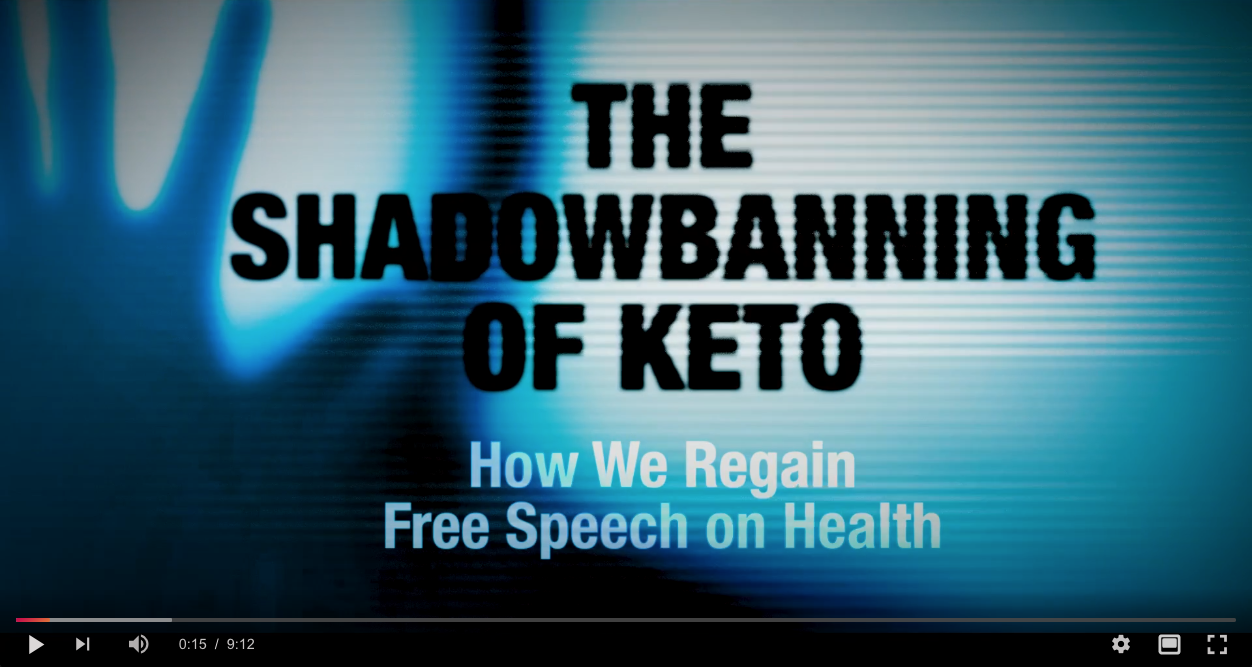
sAs a response to this perceived censorship, alternative social media platforms like Rumble and Telegram have surged in popularity. Rumble, a video-sharing platform, champions itself as a bastion of free speech, where creators can share content without fear of being de-platformed for dissenting views. Similarly, Telegram offers a messaging service that allows users to create channels and groups with minimal moderation, fostering an environment where information flows more freely. These platforms attract users who feel marginalised by mainstream social media’s stringent content policies.
The rise of these alternatives highlights a growing demand for spaces where freedom of speech is prioritised over content moderation. While this approach has its critics, who worry about the spread of unchecked misinformation, proponents argue that it is a necessary counterbalance to the heavy-handed policies of traditional social media. In this digital age, the debate over free speech and censorship in healthcare content remains a contentious and evolving issue, with alternative platforms playing a crucial role in shaping its future.