While a large part of the global response to the covid-19 pandemic has been on non-pharmaceutical measures such as lockdowns and social isolation, most efforts focusing on intervention have focused either on vaccines or novel antiviral drugs.
This is despite clear evidence that older people with weakened immune systems as well as those with diseases or conditions that compromise their immune function, have by far the worst outcomes following infection.
It’s been well established that people with poor diets, low status of certain nutrients, metabolic diseases and other vulnerabilities affecting the performance of the immune system are most at risk from serious covid-19 disease. The following figure from our October 2020 article
‘Why Covid Myopia is Killing Us’ puts persective on the ‘Big 52’ factors that likely modify our risk of serious disease. The most readily modifiable are those relating to our nutrition or metabolic state.
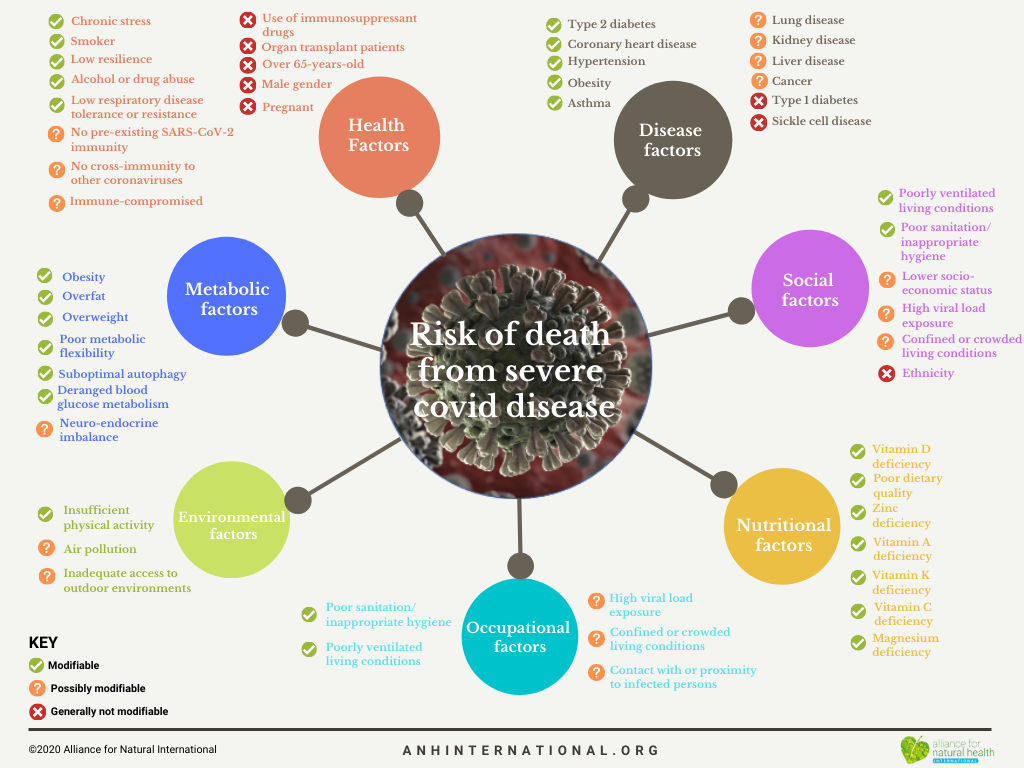
A range of micronutrients working in synergy are essential for a well functioning immune system. Having focused on
vitamin D and
vitamin C, we now turn our attention to zinc.
Zinc was discovered as a critical element in the functioning of the immune system of mammals, including humans, in the
early 1960s by Dr Ananda Prasad. There is now
increasing evidence of the role of zinc in reducing the severity of covid-19 disease.
It’s an essential mineral that is found in almost every cell in our body. It stimulates the activity of approximately 300 enzymes, which are substances that promote biochemical reactions in our bodies. Zinc supports a healthy immune system, is needed for wound healing, helps maintain your sense of taste and smell, and is needed for DNA synthesis. Zinc also supports normal growth and development during pregnancy, childhood, and adolescence.
Zinc deficiency = immune deficiency.
Zinc has multiple mechanisms of action in the body to support the immune system when fighting viral infection including:
- stopping viral replication in cells
- reducing inflammation
- balancing type 1 and type 2 helper cells required for immune response
- mucous clearance of the airways
Newer research has demonstrated that zinc’s key mechanism of action in the immune system is by stimulating
serum thymulim (a thymus specific hormone involved in T cell function) and through modulation of T helper cell functions, which coordinate our entire adaptive immune system response. Conversely,
immune function is compromised with zinc deficiency, which is becoming more widespread as we eat fewer zinc-rich animal foods. Many of the soils on which animals are farmed or animal feeds are cultivated are now depleted. Significant amounts of zinc now come from fortified foods like breakfast cereals, however, this is often not well-absorbed because it is bound to phytic acid in grain-based foods and excreted.
Food sources of zinc include:
- meat, particularly lamb
- shellfish
- legumes
- seeds, particularly pumpkin and hemp
- nuts
- cocoa powder
An
estimated 2 billion people globally, are thought to suffer from zinc deficiency. A recent
UK dietary survey found 5-30% of most adults (18 and over) are chronically deficient. Those individuals with low levels of zinc are at
much greater risk of being hospitalised and experiencing severe disease.
Therefore, adults should take 25-50 mg per day of supplemental zinc in a bioavailable form may help to modulate cytokine activity (chemical messengers) and to stimulate the activity of natural killer cells and T-cell precursors. The lower level is for adults around 70 kg body weight, but increasing if you’re under immune challenge or of fuller body.
Zinc is a mineral with a tight benefit/risk curve. So, as essential as zinc is for us, conversely, taking too much zinc can depress the immune system and result in similar problems to those associated with deficiency.
Zinc supplements come in a range of different delivery systems, e.g.:
- tablets
- capsules
- liquid
- spray
- lozenges
And a range of forms available in food supplements, the following of which can easily be sourced:
- Zinc citrate
- Zinc bisglycinate
- Zinc gluconate
- Zinc picolinate
- Zinc monomethionine
It’s important that you don’t take zinc supplements with grain-based foods to avoid binding the zinc with phytic acid. Consider taking it in liquid or lozenge form between meals.
The form of zinc you take is also important otherwise the zinc becomes bound and can’t be absorbed properly by the body.
Join the ANH founder, Rob Verkerk PhD, for a 101 on zinc and its essentiality for our health and wellbeing in the video below.
Note:
You will see an advertising banner beneath our videos that play off the Brighteon platform (when they are not maximised). This advertising helps support the Brighteon platform that doesn’t charge subscribers for their content, is committed to free speech, yet is also respectful of copyright-related law. We’d like to clarify that no advertising revenue from Brighteon is received by the Alliance for Natural Health Intl.