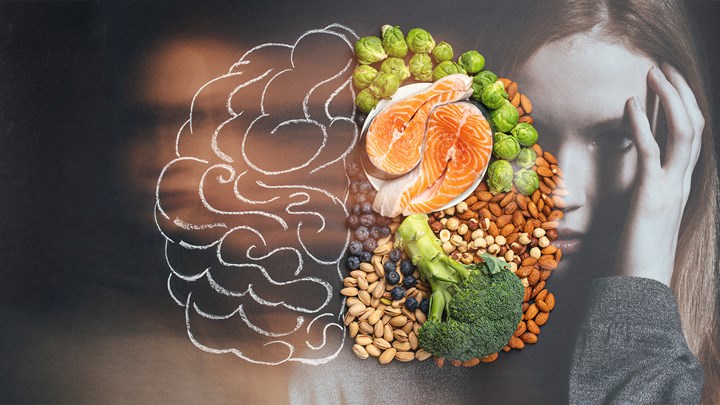
The keto psych study Big Pharma couldn’t bear
The keto psych study Big Pharma couldn’t bear
18 July 2024
Behind the flannel; why did they really shut down a keto diet study on schizophrenic inpatients in a Baltimore psych hospital?

|
||
| Vitamin E may cut heart attack risk for diabetics | ||
|
22/11/2004 – About 40 per cent of diabetic patients can reduce their risk of heart attacks and of dying from heart disease by taking vitamin E supplements, according to new research out of the Technion-Israel Institute of Technology.
The study, published in the November issue of Diabetes Care (27: 2767), follows on the heels of a much mediatised meta-analysis released two weeks ago, which linked high dose vitamin E supplements to a higher overall risk of death. Like this review, the new study also measured the effects of high dose (400IU) of vitamin E. Its timely release could help supplement marketers reduce the negative impact of the earlier trial, even though marketing supplements to diabetes patients still presents significant challenge to the industry. The research team, led by Dr Andrew Levy of the Faculty of Medicine, had earlier demonstrated that diabetics with a particular form of a blood protein called haptoglobin had as much as a 500 per cent increased risk of developing heart disease. The new study shows that when these at-risk patients, who have the 2-2 form of haptoglobin, took 400 international units of vitamin E daily, they reduced their risk of heart attack by 43 per cent, and their risk of dying of heart disease by 55 per cent. About 40 per cent of diabetics have the 2-2 form of haptoglobin, according to the Israel-based researchers, while the rest have the 1 -1 or 2-1 forms. When the others took the same vitamin E supplements, they did not show any significant reduction of cardiovascular risk resulting from vitamin E therapy. The emerging science on vitamin E has been causing peaks and troughs in demand for a number of years. Manufacturers of the vitamin at last week
|
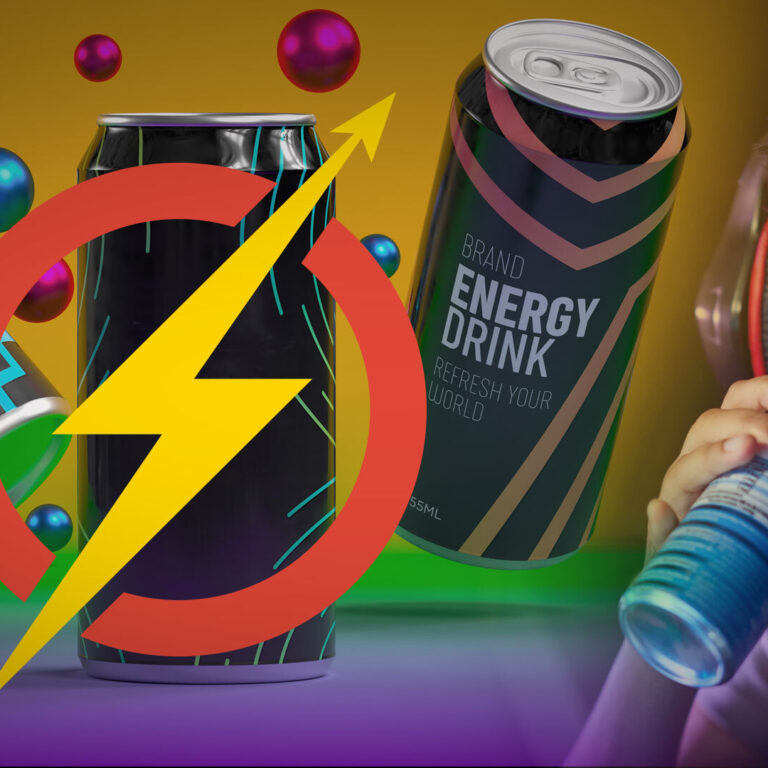
We unpack the growing public-health threat of youth energy drink dependence in the absence of legislative safeguards

Our weekly roundup of the latest natural news from across the globe in one place. This week: Are digital spaces harmful to young people?; Food preservatives & T2D; Gut health & brain health; Changes to US & UK childhood vax schedules; Being creative keeps our brains young; Updates from ANH-USA; Threats to Free Speech; Post-covid related and much more…

Event Upcoming Member events Members’ Briefing and Q&A – January 2026 Date: Wednesday 21st January 2026 Time: 18:00 (6:00 pm) – 19:30 (7:30 pm) GMT

Check out our snapshot of a wild year defending our right to natural health in an ever more complex world.
Comments
your voice counts
There are currently no comments on this post.
Your voice counts
We welcome your comments and are very interested in your point of view, but we ask that you keep them relevant to the article, that they be civil and without commercial links. All comments are moderated prior to being published. We reserve the right to edit or not publish comments that we consider abusive or offensive.
You can also opt-in to receive the ANH Heartbeat newsletter
We collect an email address as there are times that we need to reply privately if there is more information to share than can be done in a reply to a comment. Your email address won’t be shown or added to our mailing list unless they specifically opt in.